Nail Fungus: Why It Is Stubborn and How to Beat It
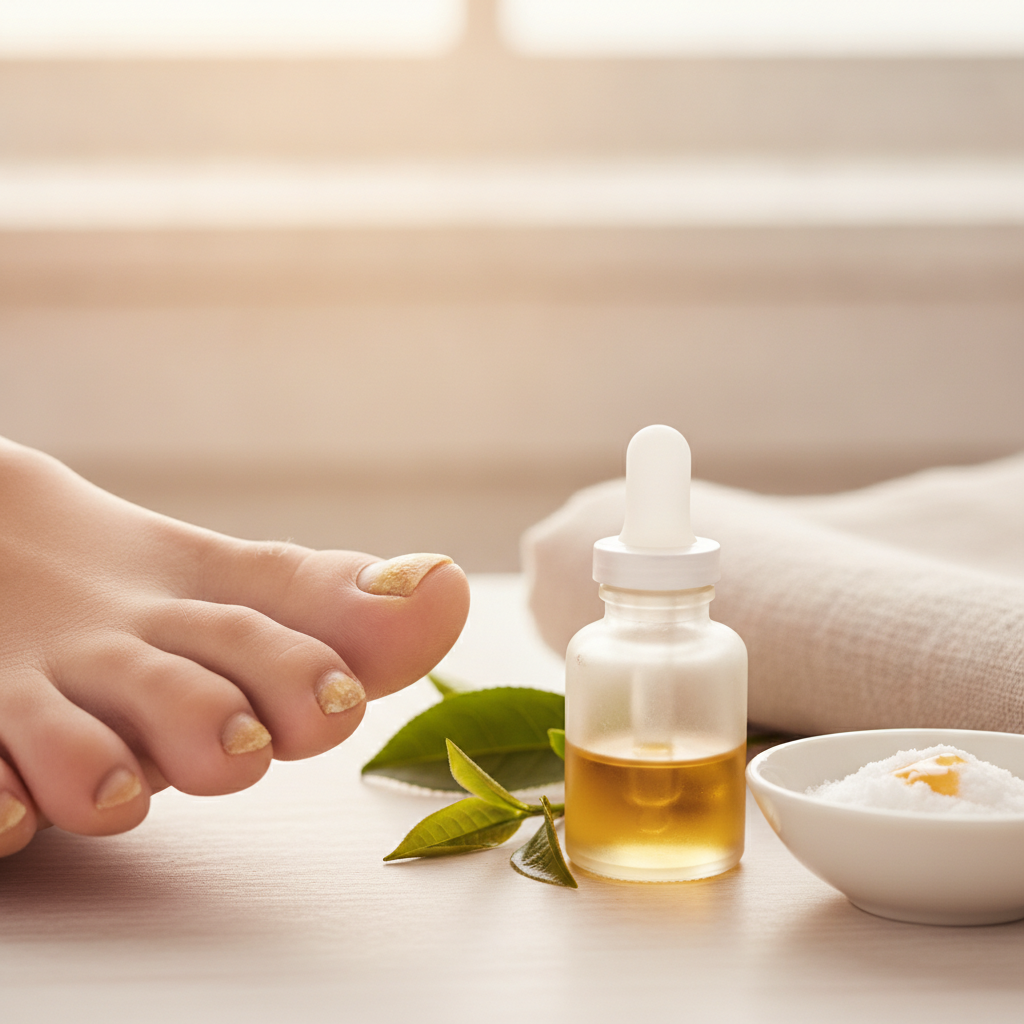
Why Nail Fungus Persists
Fungal organisms within nails prove difficult to treat because most topical antifungals penetrate nail keratin poorly. The nail plate acts as a barrier, preventing adequate medication penetration to reach fungal organisms.
Dermatophytes invade deeper nail layers where surface medications fail to reach. This explains why many topical treatments show minimal effectiveness despite consistent application. The infection hides beneath protective nail structure.
The Challenge of Infected Nails
Infected nails thicken and discolor gradually. The nail becomes brittle and painful to walk on. Nail destruction progresses over years if untreated, potentially compromising nail function.
Nail fungus rarely resolves spontaneously. Unlike skin fungal infections that sometimes spontaneously clear, nail infections persist indefinitely without treatment. Time alone provides no benefit.
Topical Treatment Options
Topical antifungal solutions including ciclopirox olamine penetrate nail somewhat better than creams. Even optimized topical formulations achieve success rates below 20% for established infections.
The most effective approach involves combination therapy: oral antifungal medication supplemented with topical treatment applied consistently. This dual approach increases success rates substantially compared to single modality therapy.
Oral Antifungal Medications
Terbinafine and itraconazole represent the primary oral antifungal options. These medications achieve high concentrations in nail tissue, reaching fungal organisms within nail plates.
Treatment typically requires 3-6 months of continuous therapy. Success rates increase to 60-80% with oral treatment. Efficacy depends on nail growth rate and infection severity—thick, heavily infected nails respond less reliably.
Alternative and Adjunctive Approaches
Laser therapy shows promise in preliminary research. Regular mechanical debridement of infected nail material may increase topical medication penetration. Combination approaches maximize success likelihood.
Some individuals require repeat treatment courses. Following apparent cure, relapse occurs in 20-30% of cases. Ongoing preventive measures reduce recurrence risk. After treatment, maintain meticulous foot and nail hygiene.
Long-Term Management
Recurrence prevention requires persistent foot care. Keep feet dry, wear protective footwear in public areas, and avoid trauma to treated nails. Nail fungus is preventable through diligent attention to foot health.