Mindfulness and Meditation: Building a Sustainable Stress Management Practice
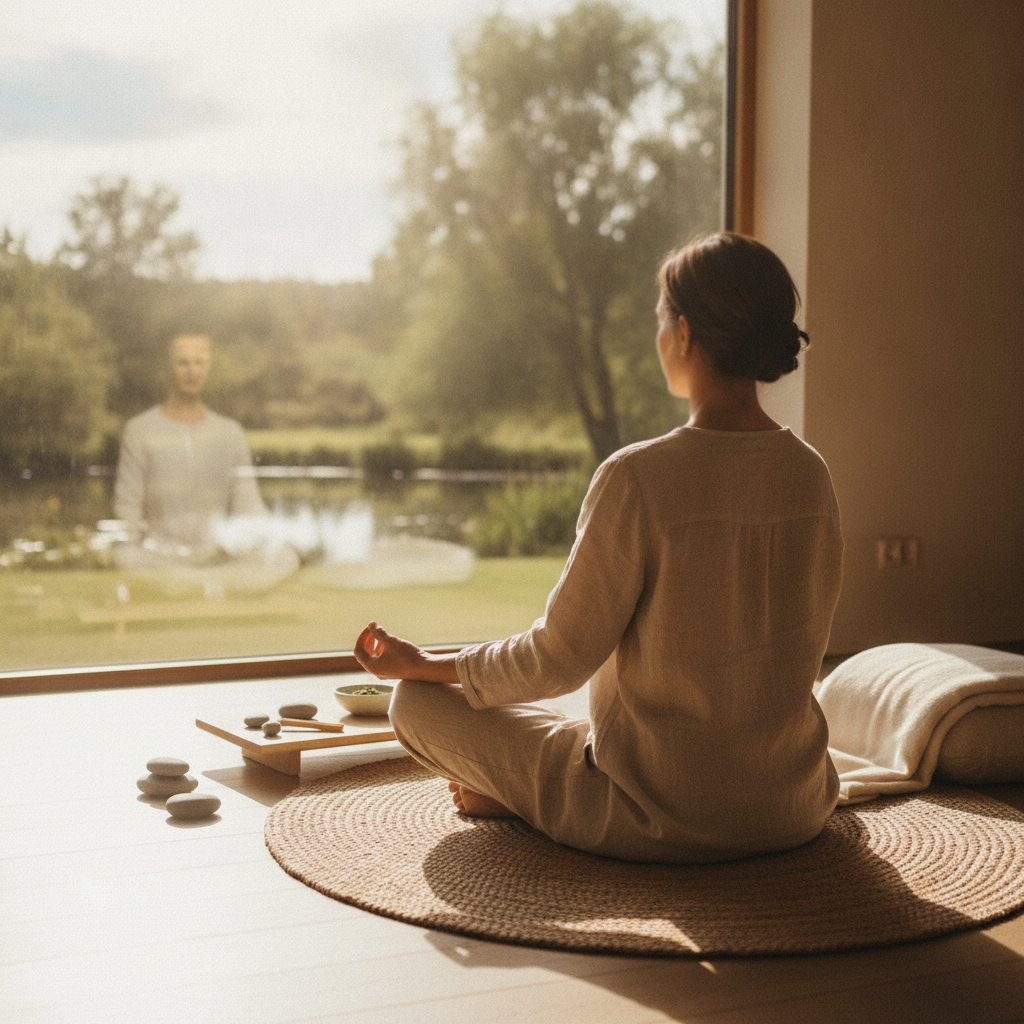
Meditation isn't mystical or religious—it's a neurobiological practice that measurably changes brain structure and function. Even brief daily practice produces anxiety reduction and improved emotional regulation.
What Meditation Actually Does
Meditation trains attention. You focus on breath, sensations, or thoughts. When your mind wanders (it always does), you notice and redirect attention. This repeated cycle strengthens prefrontal cortex function and reduces amygdala reactivity.
The amygdala is your brain's alarm system. Chronic stress keeps it hyperactive. Meditation calms it down.
Brain Changes from Meditation
Regular meditators show increased gray matter in the prefrontal cortex (rational decision-making), decreased amygdala volume (reduced threat-sensitivity), and stronger connections between brain regions supporting emotional regulation.
These changes appear within 8 weeks of consistent practice.
Meditation Types
Breath-focused: Concentrate on breathing patterns. Simplest for beginners. Body scan: Focus attention sequentially through body parts. Excellent for anxiety. Loving-kindness: Direct compassion toward yourself and others. Powerful for mood. Open monitoring: Notice all thoughts without judgment. Advanced.
Start with breath-focused meditation. It's the most foundational.
The Beginner Protocol
- Sit comfortably, spine upright
- Close eyes
- Breathe naturally (don't force any pattern)
- Focus attention on breath sensation (air moving through nostrils, chest rising/falling)
- When mind wanders (it will), notice without judgment and redirect attention to breath
- Repeat for 10-20 minutes
That's it. It's not about achieving a special state. It's about returning attention repeatedly.
Common Misconceptions
"I'm not good at meditation because my mind wanders." Minds wandering is the point. Noticing and redirecting is the practice.
"I don't have time." Ten minutes daily produces benefits. Consistency beats duration.
"I need to be in a special state." Normal mind, normal setting. No special states required.
The Anxiety Reduction Mechanism
Anxiety involves ruminating about future threats. Meditation anchors you in present sensations (breathing, sounds, sensations). The present moment is safe. This distinction—separating real danger from imagined future danger—is deeply therapeutic.
Implementation Timeline
Days 1-3: Restlessness and difficulty focusing. Days 4-7: Easier attention focusing, some anxiety reduction. Week 2+: Noticeable anxiety decrease, improved sleep. Weeks 3-4: Persistent mood improvement, increased emotional resilience.
Practical Setup
Mediate at the same time daily. Early morning (before stress accumulates) is optimal. Use an app (Headspace, Insight Timer, Calm) if you need guidance. The app doesn't matter—consistency matters.
When to Deepen Practice
After consistent practice for 4-8 weeks, you might explore longer sessions (20-30 min), different meditation styles, or silent meditation without guided support. This deepening is optional—brief daily practice produces substantial benefits.