Hypoglycemia Awareness and Emergency Response in Diabetes
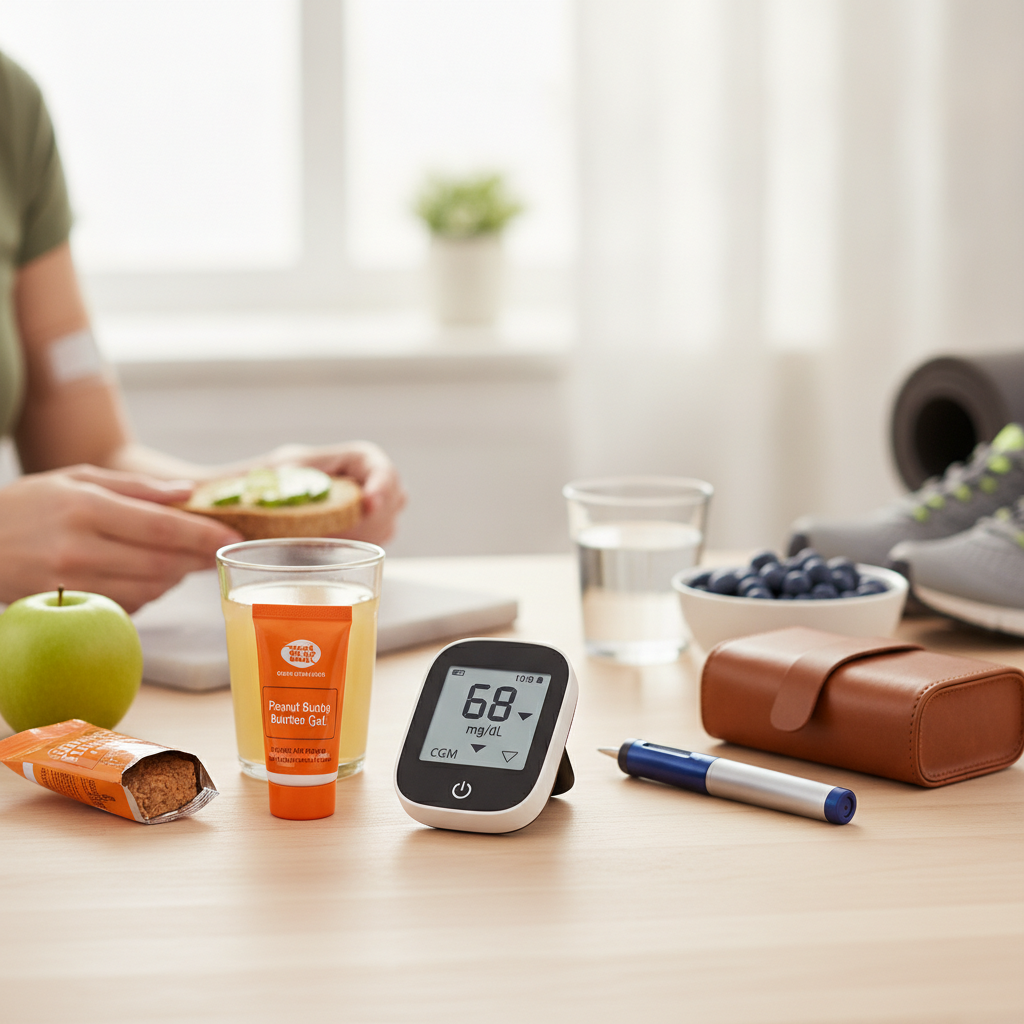
For people taking diabetes medications, low blood sugar (hypoglycemia) is an immediate medical concern. Understanding recognition, treatment, and prevention is essential.
Early Warning Signs
Symptoms typically emerge when glucose drops below 70 mg/dL. Initial signs include shakiness, sweating, rapid heartbeat, and anxiety. Hunger and difficulty concentrating follow.
With severe hypoglycemia (below 40 mg/dL), confusion, altered speech, and loss of consciousness develop. These severe episodes represent medical emergencies.
Rapid Treatment
The 15-15 rule: consume 15g of fast-acting carbohydrate, wait 15 minutes, then recheck glucose. If still low, repeat. Effective options include: 4 oz juice or soda, 1 tablespoon honey, 4-5 glucose tablets, or 2 tablespoons raisins.
Avoid chocolate or other fat-containing carbohydrates—fat slows glucose absorption. After glucose rises to safety (above 70 mg/dL), eat a small meal with protein and fat to prevent rapid glucose decline.
Severe Hypoglycemia Protocol
If someone is unconscious or unable to swallow, do not give food or liquid. Instead, administer glucagon—an emergency injection that raises glucose rapidly. Family members and close contacts should know where the emergency glucagon kit is stored and how to use it.
Call emergency services for severe episodes. Hospital treatment may be necessary for persistent hypoglycemia.
Prevention Strategies
Carry fast-acting carbohydrate at all times. Check glucose before activities, especially exercise. Know which medications carry hypoglycemia risk—insulin and sulfonylureas are highest risk.
Avoid exercising during peak medication activity. Never skip meals when taking hypoglycemia-risk medications. Alcohol increases hypoglycemia risk—never drink on an empty stomach.
Hypoglycemia Unawareness
Some people develop reduced symptom awareness with repeated low glucose episodes. This is dangerous because treatment may be delayed. If this develops, higher glucose targets are necessary for safety.
Continuous Glucose Monitors
CGMs provide low glucose alerts before symptoms develop. For people on insulin or at high hypoglycemia risk, CGMs significantly reduce severe episode frequency.